|
OSTIA VISITING THE RUINS |
| Hints and tips for visiting Ostia, Portus, the Isola Sacra necropolis, and the Museum of the Roman Ships. |
INDEX TOURIST GUIDES TRANSPORT MUSEUM, RESTAURANT, BOOKSHOP Opening hours of Ostia Antica
Mediaeval town
Portus
Isola Sacra necropolis
Museum of the Roman ShipsAufio guides are available at the entrance.
Printed guides and plans can be bought in the bookshop.
Or: download our free Tourist guide (PDF)
More guides and languages ...
Guided tours: Visit Ostia AnticaTrains leave at metro station Magliana.
In weekends trains also depart from Piramide.
Get out at the stop Ostia Antica (30 minutes).
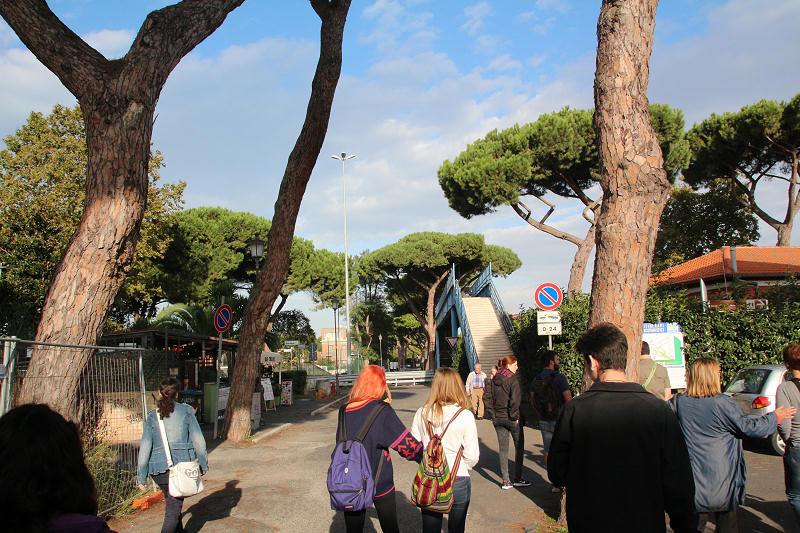
Walk to the excavation (5 minutes).
In public transport always beware of
pickpockets (your wallet, your bag).
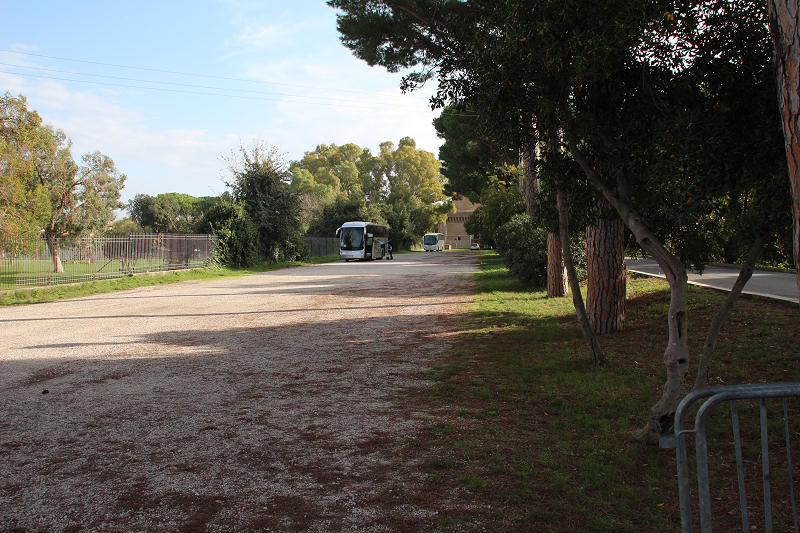
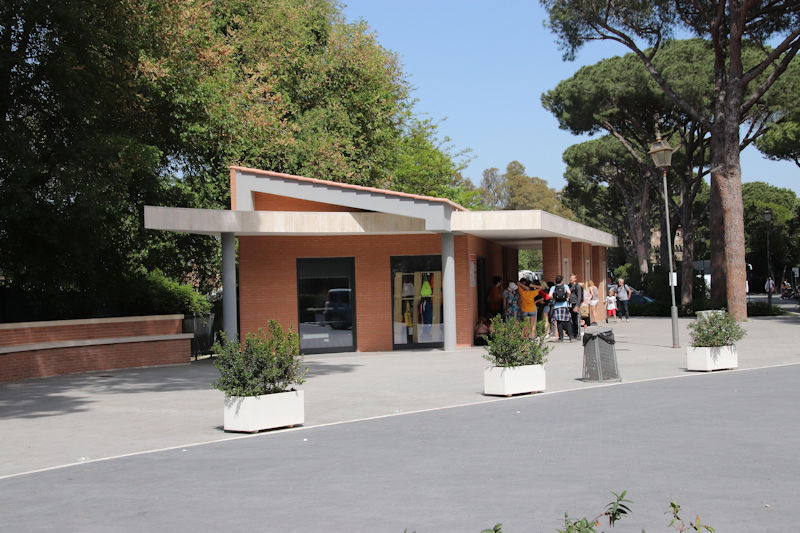
There is a parking lot in front of the entrance.Ostia has its own museum, situated in the heart of the excavations.
After entering, the modern road to the right leads to it.
Here you will also find:
A bookshop
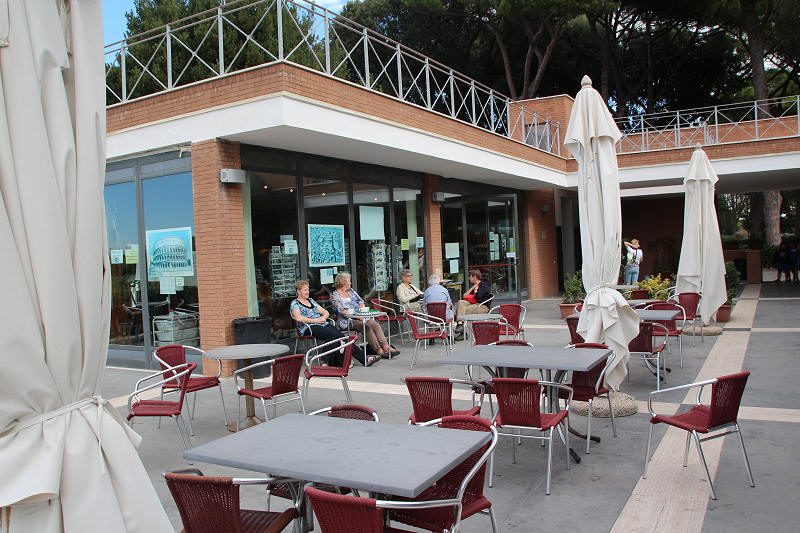
A cafetaria
Restrooms
Please note (written: January 2023)
Food and drink can also be bought in a bar near the station.
The museum is currently closed.Disclaimer. Due to COVID-restrictions, public works and so on the situation may be different. Please always check the official website of the Parco Archeologico di Ostia Antica.
Opening hours of Ostia Antica
For the most recent information about the days and hours on which the excavations of Ostia and surrounding monuments can be visited, and for entrance fees and possible discounts, you should always consult the official website of the Parco Archeologico di Ostia Antica. Address: Viale dei Romagnoli 717, Roma.
Please note that the excavations are always closed on Mondays, December 25 and January 1.
Fidelity Cards will give you unlimited access for a whole year. To qualify for discounts, don't forget to bring your ID card or passport. Also have a look at the RomaPass.
Questions can be asked in our Facebook group.
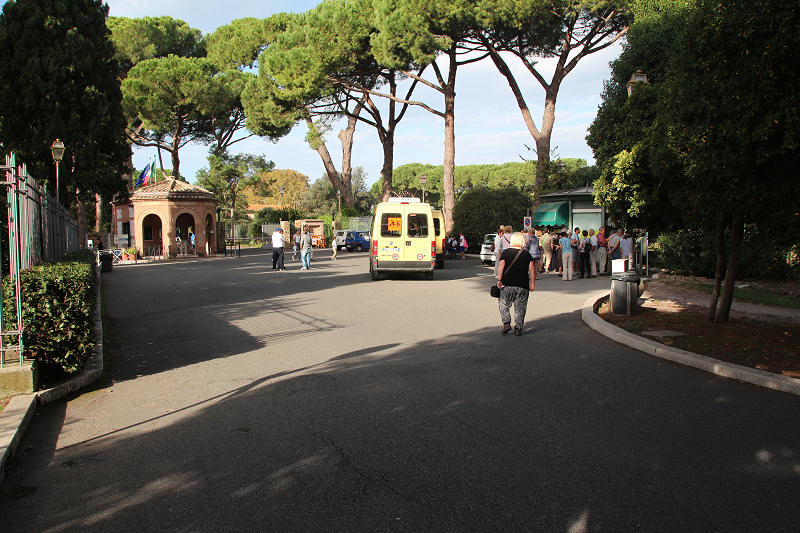
Walking from the station to the excavation. Please be careful at this intersection. The entrance for those arriving by train. The entrance for cars and the parking lot.
Photo gallery of the entrance and the area around the museum.
Click on a photo to enlarge. Photographer: Klaus Heese.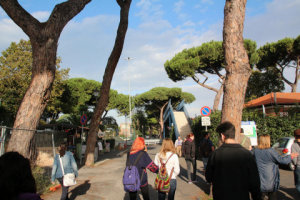
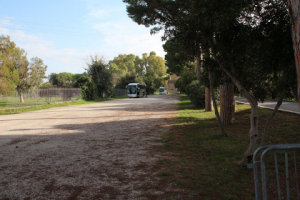
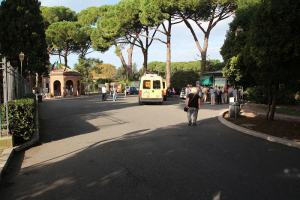
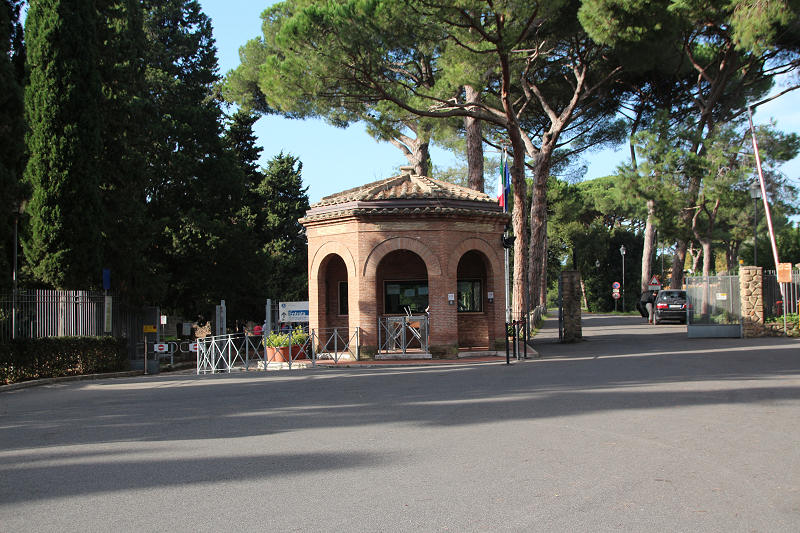
Walking from the station to the entrance. The parking lot near the entrance. The square in front of the entrance. 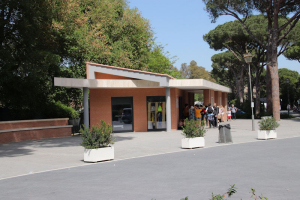
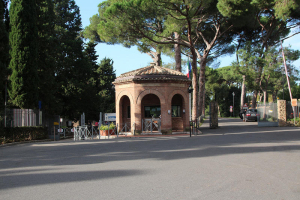
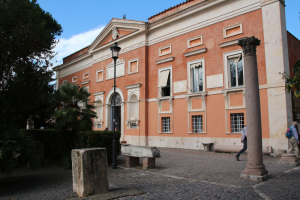
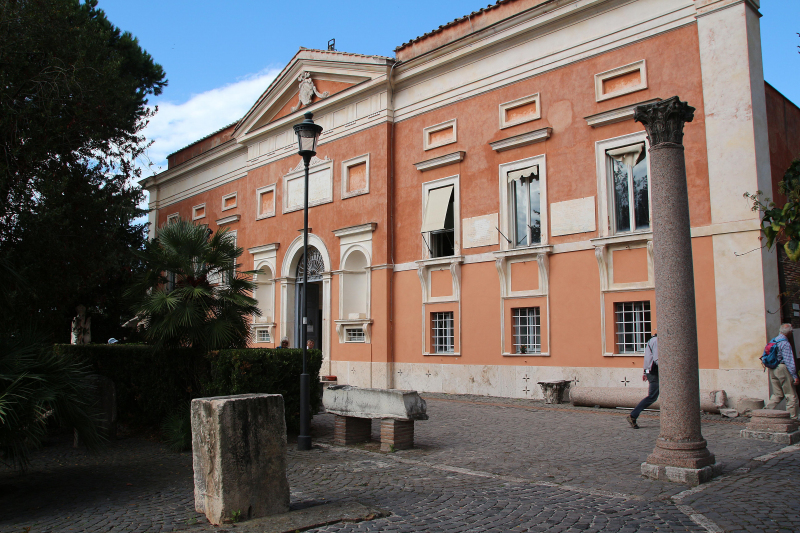
The ticket booth. The entrance. The facade of the museum. 
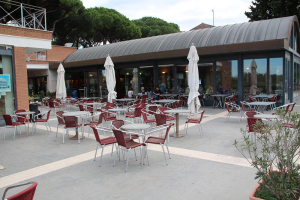
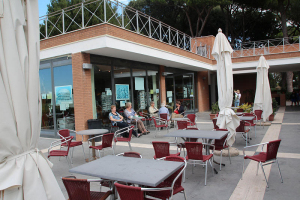
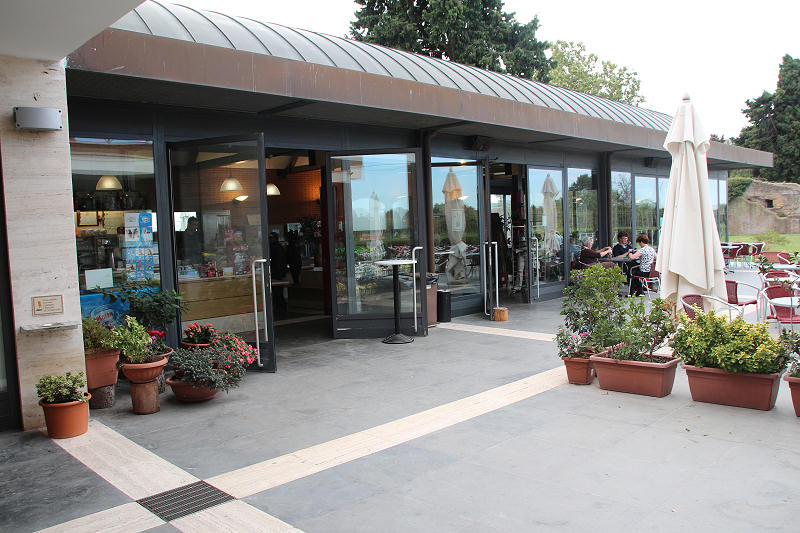
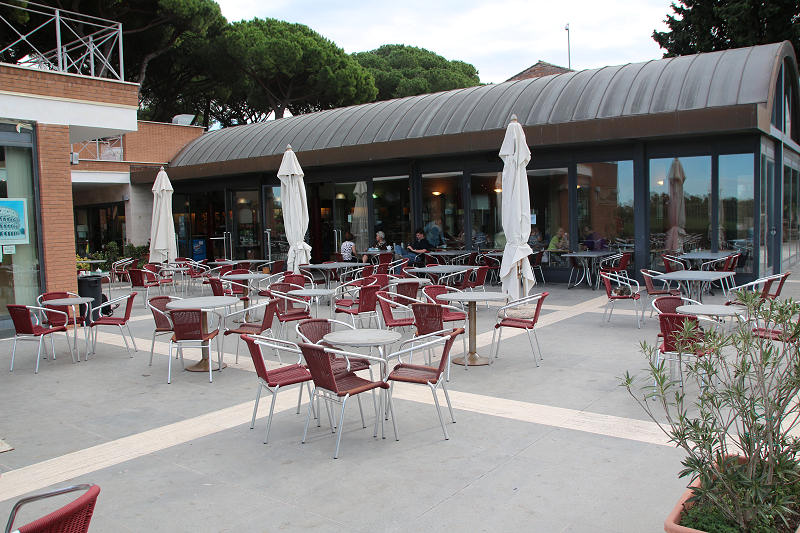
The cafetaria behind the museum. The terrace of the cafetaria. The bookshop opposite the cafetaria.
Mediaeval town
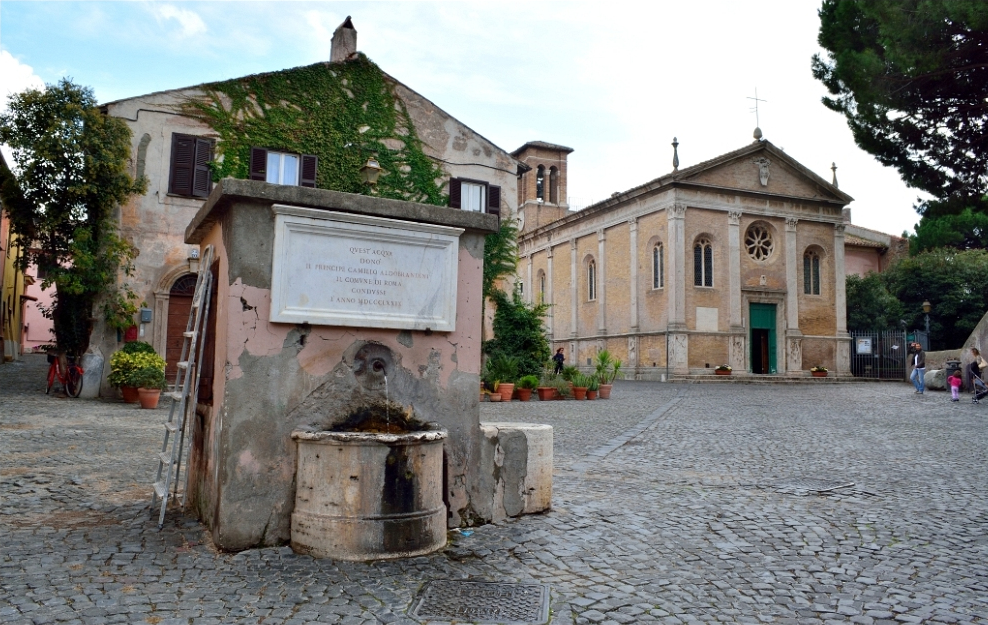
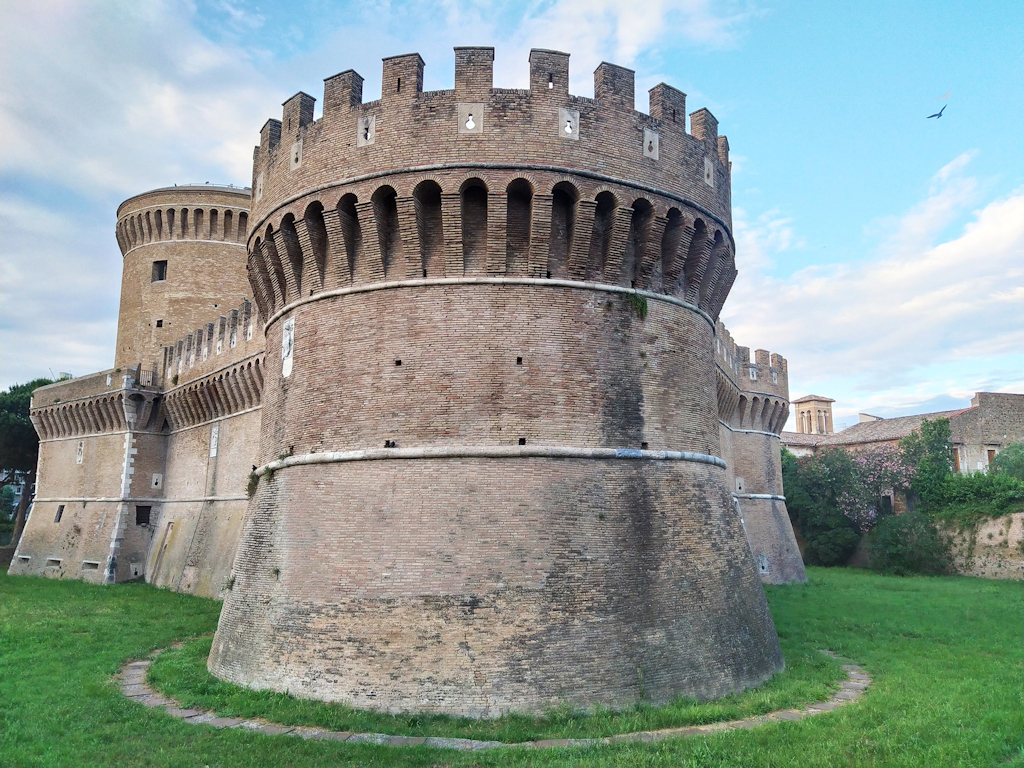
At walking distance from the excavations is the mediaeval borgo of Ostia Antica. It is unknown to most visitors, but it is the perfect place for relaxing after your visit to the excavations. It is situated between the railway station and the ancient site. You will find a few bars and restaurants there, and several shops. In Ristorante Monumento is a photo gallery of famous visitors of Ostia. The borgo contains the Castle of Julius II and the Church of Saint Aurea. In the church is the funerary epitaph of Monica, the mother of Saint Augustine, who died and was buried in Ostia. For more information go to our detailed, illustrated description of the church.
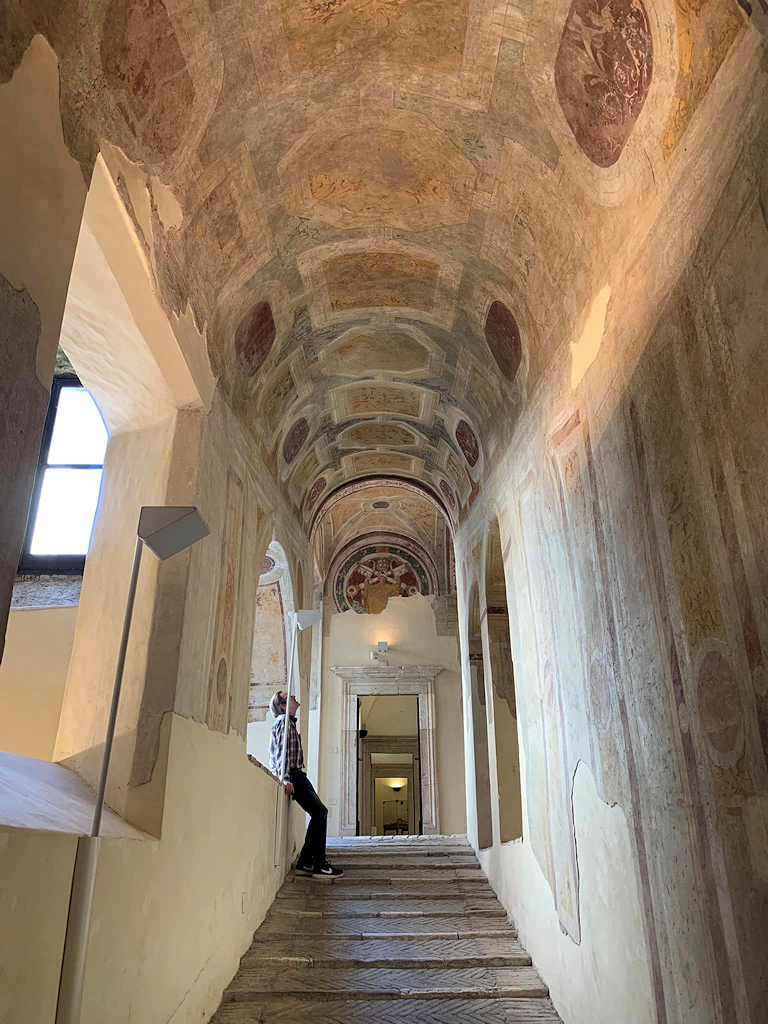
The borgo with the Church of Saint Aurea to the right. Photo: La Mia Ostia.An excellent, illustrated description of the borgo (called Gregoriopolis) and of the castle was made by Roberto Piperno. The interior of the Castle of Julius II can be visited. For visiting details see the official website of the Parco Archeologico. Address: Piazza della Rocca 13.
The Castle of Julius II. Photo: Parco Archeologico di Ostia.
Interior of the Castle of Julius II. Photo: Annewies van den Hoek.
Portus
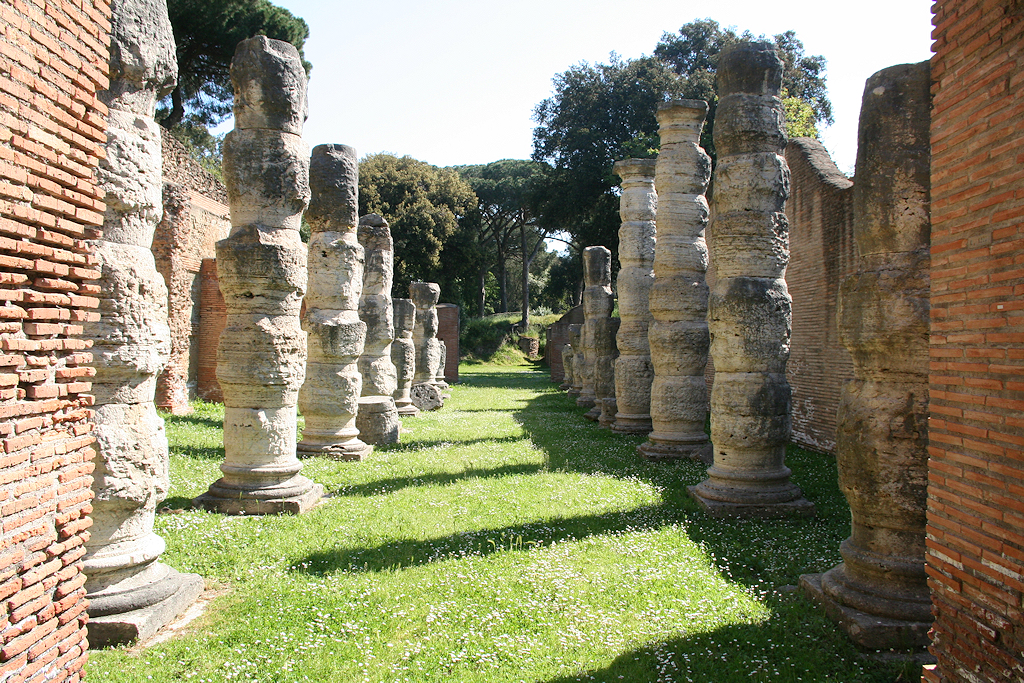
The harbour district of Ostia was called Portus. Here were the Imperial harbours of Claudius and Trajan. The remains are located next to Leonardo da Vinci airport. Part of the site is now owned by the state, another part is on private property of the Torlonia family. The ruins, sometimes very impressive, can be visited. For visiting details see the official website of the Parco Archeologico. It is also possible to visit some of the remains in the Oasi di Porto. Here you can walk around the famous hexagonal harbour basin of Trajan, and drive around it in horse-drawn wagons.
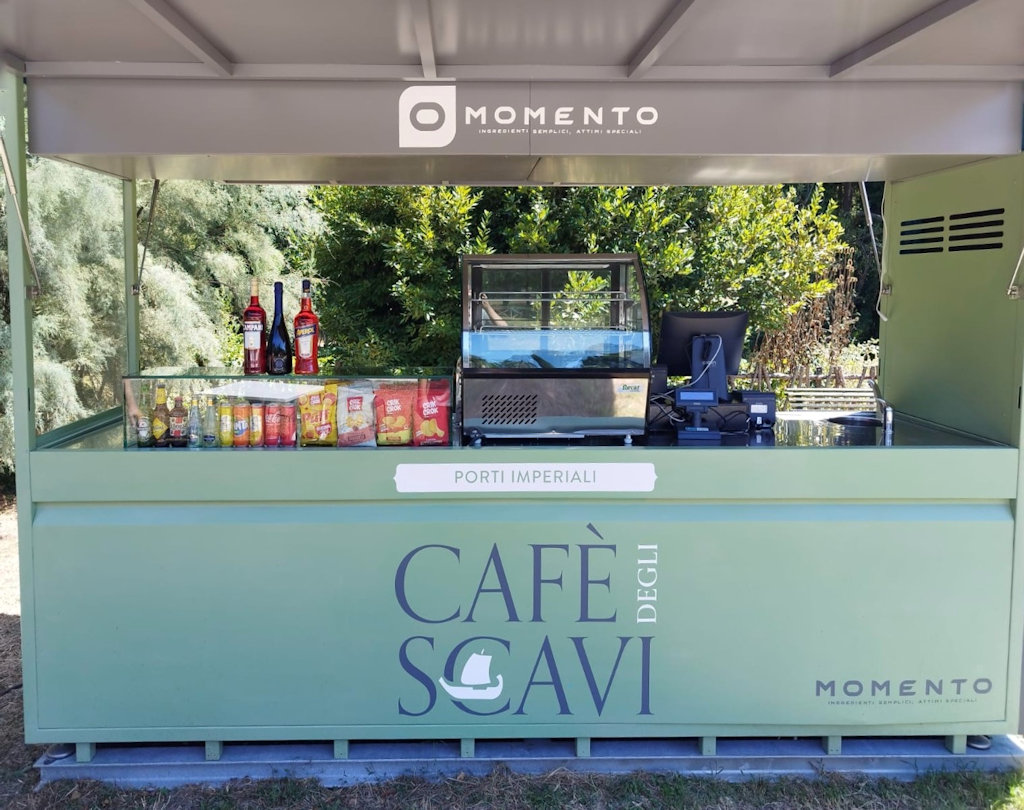
You should plan the visit carefully. Consider contacting the Parco beforehand. You will need a car to get there, or use taxis. Do not rely on buses. Going there by bike or on foot is suicide! In 2023 a bar was opened here. Address: Via Portuense 2360, Fiumicino.
Photo: Jan Theo Bakker.
Photo: Jan Theo Bakker.
Photo: Parco Archeologico di Ostia Antica.
Isola Sacra necropolis
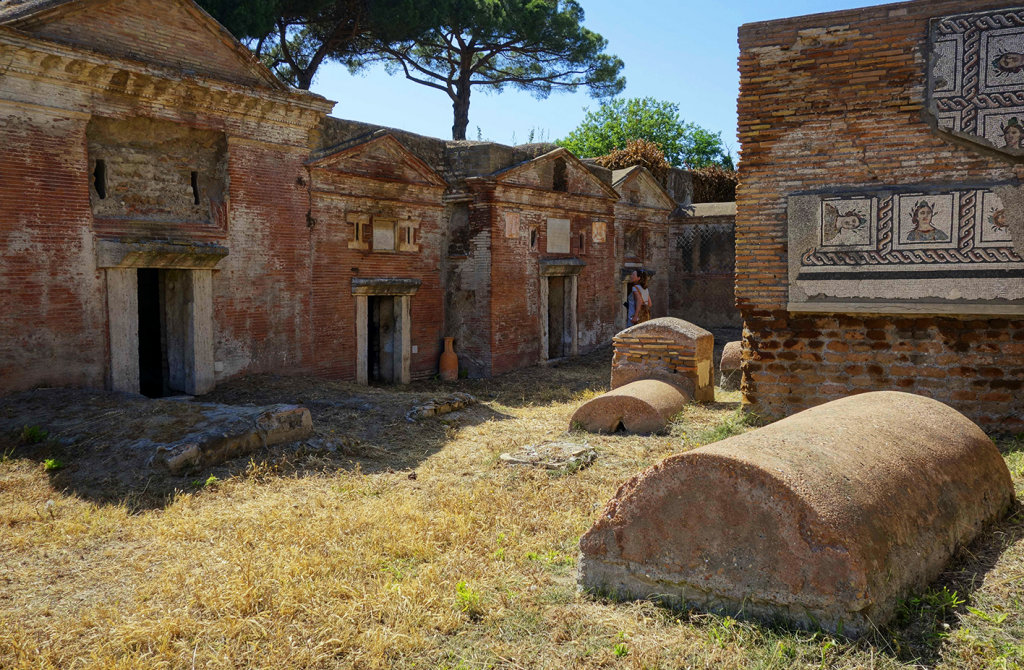
Between Ostia and Portus is the Isola Sacra ("Sacred Island"), a large, articial island. Here a large part of the enchanting necropolis of Portus has been excavated, that is exceptionally well preserved. The remains can be visited. For details see the official website of the Parco Archeologico.
You should plan the visit carefully. Consider contacting the Parco beforehand. It is advisable to use a car to get there, or taxis. More adventurous is a trip by bus. You will need a bus leaving from the station of Lido di Ostia, or from the airport. Ask on the bus where to get off. Address: Via Monte Spinoncia 52, Fiumicino.
Photo: Portmobility Civitavecchia.
Museum of the Roman Ships
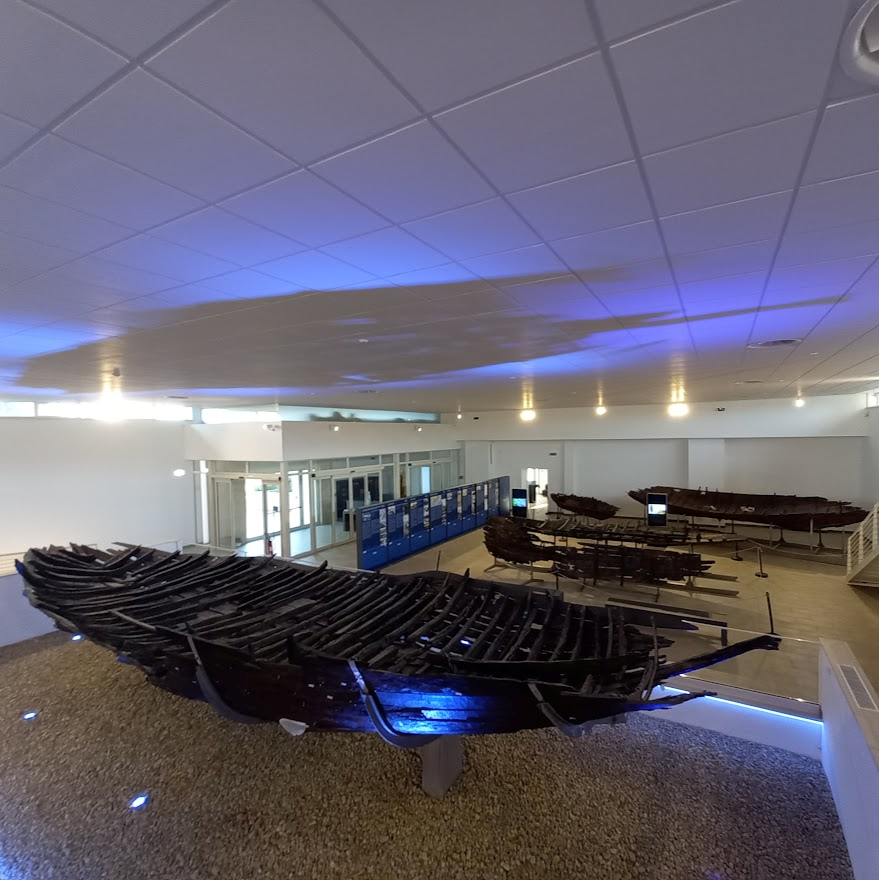
Several small ships found in Portus can be seen in the Museum of the Roman Ships. The museum is very close to the airport, but you will need a car or taxi to get there. For visiting details see the official website of the Parco Archeologico. Address: Via Alessandro Guidoni, Fiumicino.
Interior of the Museum of the Roman Ships. Photo: Parco Archeologico di Ostia Antica.